Important Questions to Ask Before Choosing an Assisted Living Residence
Business Name: BeeHive Homes of White Rock
Address: 110 Longview Dr, Los Alamos, NM 87544
Phone: (505) 591-7021
BeeHive Homes of White Rock
Beehive Homes of White Rock assisted living care is ideal for those who value their independence but require help with some of the activities of daily living. Residents enjoy 24-hour support, private bedrooms with baths, medication monitoring, home-cooked meals, housekeeping and laundry services, social activities and outings, and daily physical and mental exercise opportunities. Beehive Homes memory care services accommodates the growing number of seniors affected by memory loss and dementia. Beehive Homes offers respite (short-term) care for your loved one should the need arise. Whether help is needed after a surgery or illness, for vacation coverage, or just a break from the routine, respite care provides you peace of mind for any length of stay.
110 Longview Dr, Los Alamos, NM 87544
Business Hours
Choosing an assisted living residence is among those decisions that improves every day life for an older grownup and for the people who love them. Families typically reach this point after a gradual accumulation of concern: missed medications, falls, unpaid expenses, or just the sense that a parent is tired of handling a house that has ended up being more burden than home. By the time you start exploring neighborhoods, the pressure to get it right can feel intense.
I have actually sat at kitchen tables with households who regretted rushing into a choice, and with others who silently said, 6 months later on, "I wish we had done this sooner." The difference was hardly ever about chandeliers or fancy menus. It boiled down to whether they asked the ideal concerns, listened to the answers, and took notice of what was not being said.
The goal is not to discover a best place. It is to find a realistic, safe, and gentle fit that matches your loved one's needs, character, and financial resources. The questions below are framed to help you arrive, and to discover what brochures and sales trips seldom reveal.
Start with clearness about needs and goals
Before you ask a residence anything, you require to ask yourself (and your loved one) a couple of difficult questions. Without clearness on needs and objectives, even the very best assisted tour becomes a sales pitch rather of a cautious evaluation.
Spend time on three fundamental questions:
First, what is happening right now that is no longer operating at home? Be specific. Is it medication management, nighttime wandering, repeated falls, social isolation, caregiver burnout, or something else? An unclear answer like "they are simply getting older" will not assist you gauge the level of care needed.
Second, what do you hope assisted living will improve, for both the older grownup and the family? This might consist of less emergency clinic visits, more consistent meals, remedy for 24/7 caregiving, or more social contact.
Third, what matters most emotionally to your loved one? Some individuals care deeply about personal privacy and control of their schedule. Others care more about companionship, cultural fit, spiritual life, or staying near to a particular neighborhood.
Write this down in plain language. You will use these notes as a lens for the rest of the process.
Understanding the level of care: what can they really do?
Assisted living beings in the middle of the senior care spectrum. It offers more help than independent living, but usually less extensive treatment than an experienced nursing center. The problem is that the term "assisted living" covers a large range of capabilities. One residence may conveniently support a person with moderate dementia and complex medication requirements. Another might quietly anticipate locals to leave as soon as they need assist with toileting.
When you visit, do not just ask, "What services do you provide?" Ask detailed, scenario-based questions.
How do you examine care requirements before move-in? A major neighborhood will carry out a nursing assessment and create a composed care strategy. Ask who performs this assessment, how long it takes, and whether the family is involved.
What assistance can you provide with activities of daily living? These consist of bathing, dressing, grooming, toileting, transferring, and eating. Inquire about each one, not just "personal care." If your mother declines showers, ask how caregivers handle that. If your father has trouble with buttons and zippers, ask whether personnel can help him pick clothes and dress.
Who manages medications, and how? Mismanaged medication is among the most common reasons for hospitalization in older adults. You need to know whether a certified nurse is involved, how medications are saved, who gives them, and what occurs if a dosage is missed out on or refused. Ask if they can manage intricate routines, such as insulin, warfarin, or multiple eye drops.
What is your method to cognitive decrease and dementia? Even if your loved one is still sharp, the reality is that cognition can alter. Ask how the residence handles wandering, sundowning, resistance to care, or fear. Do they have a dedicated memory care system, or do they "age in place" within regular assisted living?
Clarify where their line is. At what point would you advise a greater level of care or a transfer to skilled nursing? Listen for practical, detailed responses, not vague reassurance.
Staffing, training, and leadership: who is really doing the work?
Brochures speak about "caring staff." The genuine problem is the number of people are working at 2 a.m. On a Sunday, what training they have, and how stable the management is.
Ask about staffing ratios, but contextualize them. Ratios vary by state, and there is no best number that fits every population, but you can still obtain a lot from the response. Ask for typical ratios throughout days, evenings, and nights. Then ask, "What takes place when someone employs ill?" If the response is that they rely greatly on firm staff or double shifts, you can expect more turnover and less consistency of care.
Training is another separating line between average and excellent senior care. Request information on orientation for brand-new senior living beehivehomes.com caretakers. How many hours, and what topics? Do they consist of dementia communication, safe transfers, incontinence care, and recognizing early indications of infection or delirium? Inquire about continuous training requirements and how frequently staff receive refreshers.
Leadership stability matters more than lots of families recognize. A strong executive director and consistent nursing leadership create a culture where good caregivers wish to stay. Ask how long the executive director, resident care director, and activities director have been in their functions. High turnover at the top is frequently an indication that the structure looks nice but has unsettled problems.
You can likewise ask: during off hours, who is in charge? Is there a nurse on website or on call? Who makes the decision to send out somebody to the emergency clinic if needed?
Safety, medical oversight, and emergencies
Elderly care is never ever risk totally free, whether in your home or in a residence. The goal is to reduce preventable harm, react quickly when something occurs, and avoid unneeded emergency clinic trips that can be complicated and hazardous for older adults.
Start with fall avoidance. Ask how they examine fall danger at move-in and after occurrences. What ecological measures are in location, such as grab bars, non-slip flooring, adequate lighting, and clear corridors? How do they stabilize safety with autonomy, for instance with homeowners who refuse to use walkers?
Clarify medical oversight. Assisted living is not a medical facility, however homeowners still need prompt access to clinicians. Ask whether there is an on-site nurse, and during what hours. Is there a regular going to medical care provider, geriatrician, or nurse specialist? Can citizens keep their own physicians, and if so, how do lab work, mobile x-rays, or specialty visits get coordinated?
Emergencies are where procedures either protect citizens or expose gaps. Ask what happens in a medical emergency, during the day and in the middle of the night. Who reacts first? Do staff have CPR training? How long does it usually consider emergency services to arrive because neighborhood?
Do not forget catastrophes and interruptions. Inquire about backup power, evacuation strategies, and how they interacted with households throughout previous storms, wildfires, pandemics, or other disturbances. Communities that have actually endured real crises often have actually refined, practical protocols.
Daily life: regimens, flexibility, and dignity
The best assisted living residences feel more like a small, well-supported area than a hotel. The distinction lies in how they manage daily routines, individual choices, and the unavoidable peculiarities that feature aging.
Meals are a good window into the culture. Ask how meal services work: fixed seating or open dining hours, designated tables or versatile social blending, capability to buy alternatives. If your loved one is a late riser, ask whether breakfast is still offered at 10 a.m. If someone is vegetarian or has diabetes, probe how menus are adapted in practice, not just in theory.
Look at bathing and grooming schedules. Are showers just on specific days, or can they adapt based on choice? How do they respect modesty and privacy? Older adults frequently feel exposed and vulnerable throughout these jobs. The way personnel talk about it will tell you a lot about self-respect and patience.
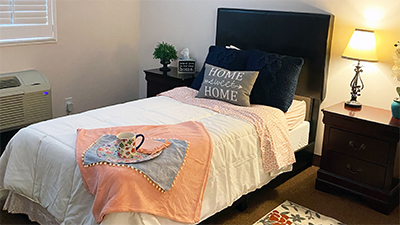
Ask about choices. Can homeowners embellish their houses as they like? Are they allowed small devices such as microwaves or coffee machine? Can they control their own thermostat and lighting? These details can substantially affect comfort.
Noise level, smells, and general environment matter more than polished marketing. Focus as you walk. Is the television roaring in common locations all day? Are citizens participated in activities, sitting quietly with books, talking, or parked in wheelchairs around a nursing station? There is no single perfect scene, but you want to see range and indications that individuals are not just being "saved."
Activities and social life: beyond bingo
Social connection is not a reward. It becomes part of health. Isolation aggravates depression, speeds up cognitive decline, and lowers general lifestyle. Yet lots of activity calendars look outstanding on paper and hollow in practice.
Ask to see the current month's calendar, then pick a random day and ask what in fact happened. Ask the number of locals normally participate in activities, and whether they track private engagement. Great programs adapt to those who do not naturally sign up with groups, perhaps through small visits, music, or one-to-one hobbies.
If your loved one delights in specific interests, such as gardening, spiritual services, lectures, or art, ask how those can be supported. For homeowners with limited vision, hearing loss, or mobility issues, ask how the activities are adjusted, not just whether they are welcome.
Transportation is another practical concern. Does the residence offer set up trips to grocery stores, medical appointments, religious services, or community events? If so, how often and at what cost? Access to the bigger community helps numerous homeowners feel less "put away" and more connected.
Financial reality: costs, agreements, and what happens if requirements change
Families frequently discover costs harder to talk about than care requirements, but clearness about money avoids later heartbreak. Assisted living rates models can be remarkably complex.
Ask for an itemized list of charges. Usually, there is a base rate for real estate, meals, and standard services, plus extra tiers or points for care. These may be identified "Level 1 to Level 5" or calculated through a scoring system based upon the resident's requirements. Request examples. For example, what would a resident pay who needs aid with bathing two times a week, medication tips three times daily, and assist with toileting and transfers?
Then ask the most important monetary concern: how frequently do you reassess charges, and what activates an increase? Some neighborhoods adjust rates annually, others after any change in the care strategy. You need to know whether an extra 5 minutes of help every day may push someone into a higher-cost tier.
Clarify what is not included. Typical extras consist of incontinence products, individual laundry, cable, internet, transportation, visitor meals, and specific activities. Ask particularly about each of these, since "all-inclusive" bundles often hide limits.
Long-term financial sustainability needs an honest look. If your loved one's cost savings run low in 5 to seven years, what happens? Some neighborhoods accept Medicaid waivers, but often only for a subset of homes and after private pay for a period. Others are purely personal pay and will need a move when funds are tired. Do decline unclear assurances. Ask for written policies and real-world examples of what has occurred to locals who outlived their resources.
Respite care: a low-risk trial run
Respite care is often overlooked, yet it can be one of the most helpful tools for families who are uncertain whether assisted living is the right move. Numerous homes offer short-term stays, ranging from a week to a couple of months, which can serve several purposes.
For family caregivers on the edge of burnout, respite supplies rest and an opportunity to handle their own medical appointments or life jobs. For an older adult, a brief stay can act as a low-risk trial. They experience the routines, satisfy personnel, and get a sense of the community, without fully giving up their home.

Ask whether the home provides respite care, what the minimum and optimum stays are, and the daily or monthly expense compared to basic rates. Clarify whether respite locals get the same level of access to activities, dining options, and care services as long-term residents.
A useful concern is: the number of respite stays eventually ended up being permanent moves each year? Not because you wish to belong to a quota, however because it exposes whether the home is positive enough in its daily experience that people select to remain after attempting it.
Family communication and involvement
When older adults move into assisted living, families do not stop caring, they simply shift functions. How the home partners with families has a direct impact on both satisfaction and safety.
Ask about communication regimens. How often does the nurse or care supervisor provide updates, and by what approach? Exist regular care conferences where households can evaluate the care strategy and ask questions? How quickly can you reach somebody who understands your loved one's scenario if you call on a weekend?
Policies about visiting matter too. Are there set visiting hours, or can family visited when they like? Exist personal areas to visit outside the resident's apartment? For households who live far, ask whether video calls can be assisted in if the resident lacks the technical skills.
Do not avoid asking how the home manages disagreements. For instance, what if a resident refuses care that the household thinks is needed, or the family requests restrictions that the resident resents? Search for responses that show respect for resident rights, while still taking household concerns seriously.
Practical concerns throughout a tour: what to watch for
Tours can be carefully choreographed, but you can still gather a lot by being watchful and asking direct questions on the spot. One brief, focused list can help keep your visit grounded.
During a tour, consider paying special attention to the following:
- How staff interact with citizens in passing, specifically when they do not understand you are listening
- Whether citizens appear groomed, properly dressed for the time of day, and engaged in something significant
- Cleanliness in less obvious places, such as corners, baseboards, and shared restrooms
- Odors that suggest persistent incontinence problems or bad housekeeping, particularly in corridors rather than a single room
- How personnel respond when a resident calls out or tries to get attention while you exist
After the tour, do a 2nd pass in your mind: did you feel rushed or genuinely invited to ask concerns? Did the staff talk only about facilities, or did they go over real-life challenges with honesty?
Red flags and deal breakers
No house is best, but some indication should have serious weight. These often emerge when you press gently underneath the surface.
Pay close attention if you hear irregular responses from different personnel about crucial issues such as staffing levels, medication management, or emergency situation actions. Inconsistent stories typically indicate irregular practice.
Another warning is chronic understaffing. You can notice this when buzzers call for long stretches, personnel walk rapidly with tense expressions, or there are frequent apologies for "being short today" throughout multiple visits. A rough day is normal. A consistent sense of scramble is not.
Watch for a culture that deals with locals as jobs instead of people. A simple example: do staff understand homeowners' names, or do they say "honey" and "sweetheart" to everyone due to the fact that they can not remember who is who? When a resident is confused or moving slowly, do personnel program perseverance, or do they hurry, scold, or ignore?
Financial pressure techniques are another issue. If you feel pressed to sign rapidly "before rates go up," or sense unwillingness to let you read the agreement thoroughly, decrease. A trustworthy neighborhood will expect and invite cautious review.
Finally, take notice of your loved one's reactions. They may not specify it straight, but you will see discomfort, stress and anxiety, or emerging interest in their body movement. A neutral response on day one can warm over a couple of visits, however an intense negative reaction deserves respect, even if it complicates logistics.
For many families, it assists to bring a succinct suggestion of the most severe warnings to look for, so they do not get lost in the flood of information.
Some of the most crucial warnings to deal with as potential deal breakers include:
- Repeated leadership turnover within a brief time frame
- Vague or evasive responses about how they handle falls, infections, or behavioral problems
- Poor personnel morale that you can see and feel, such as open grumbling in halls
- Unclear monetary terms, frequent "exceptions," or resistance to supplying composed policies
- An agreement that gives the residence broad power to discharge residents with little notice
If you come across two or more of these in the very same place, pause, even if the location or décor feels ideal.
Balancing head and heart
Assisted living, at its best, uses security, relief, and restored self-respect for older grownups who are tired of having a hard time alone at home. It can likewise offer family caretakers the area to become kids, children, or spouses again, instead of tired full-time aides.
The concerns you ask shape whether you see just the polished surfaces or peek the genuine day-to-day life of the residence. Move beyond glossy descriptions and into specifics: who will help your parent out of bed at 6 a.m., who will observe the subtle modification in cravings that hints at an infection, who will sit and listen when grief or confusion surface areas late at night.
Senior care decisions are seldom clean or easy. They include compromises among independence, safety, cost, and family dynamics. Yet when you approach assisted living with clear needs, honest questions, and careful observation, you considerably enhance the odds of discovering a place where your loved one is not simply housed, however truly cared for.
BeeHive Homes of White Rock provides assisted living care
BeeHive Homes of White Rock provides memory care services
BeeHive Homes of White Rock provides respite care services
BeeHive Homes of White Rock supports assistance with bathing and grooming
BeeHive Homes of White Rock offers private bedrooms with private bathrooms
BeeHive Homes of White Rock provides medication monitoring and documentation
BeeHive Homes of White Rock serves dietitian-approved meals
BeeHive Homes of White Rock provides housekeeping services
BeeHive Homes of White Rock provides laundry services
BeeHive Homes of White Rock offers community dining and social engagement activities
BeeHive Homes of White Rock features life enrichment activities
BeeHive Homes of White Rock supports personal care assistance during meals and daily routines
BeeHive Homes of White Rock promotes frequent physical and mental exercise opportunities
BeeHive Homes of White Rock provides a home-like residential environment
BeeHive Homes of White Rock creates customized care plans as residents’ needs change
BeeHive Homes of White Rock assesses individual resident care needs
BeeHive Homes of White Rock accepts private pay and long-term care insurance
BeeHive Homes of White Rock assists qualified veterans with Aid and Attendance benefits
BeeHive Homes of White Rock encourages meaningful resident-to-staff relationships
BeeHive Homes of White Rock delivers compassionate, attentive senior care focused on dignity and comfort
BeeHive Homes of White Rock has a phone number of (505) 591-7021
BeeHive Homes of White Rock has an address of 110 Longview Dr, Los Alamos, NM 87544
BeeHive Homes of White Rock has a website https://beehivehomes.com/locations/white-rock-2/
BeeHive Homes of White Rock has Google Maps listing https://maps.app.goo.gl/SrmLKizSj7FvYExHA
BeeHive Homes of White Rock has Facebook page https://www.facebook.com/BeeHiveWhiteRock
BeeHive Homes of White Rock has an YouTube page https://www.youtube.com/@WelcomeHomeBeeHiveHomes
BeeHive Homes of White Rock won Top Assisted Living Homes 2025
BeeHive Homes of White Rock earned Best Customer Service Award 2024
BeeHive Homes of White Rock placed 1st for Senior Living Communities 2025
People Also Ask about BeeHive Homes of White Rock
What is BeeHive Homes of White Rock Living monthly room rate?
The rate depends on the level of care that is needed (see Pricing Guide above). We do a pre-admission evaluation for each resident to determine the level of care needed. The monthly rate is based on this evaluation. There are no hidden costs or fees
Can residents stay in BeeHive Homes until the end of their life?
Usually yes. There are exceptions, such as when there are safety issues with the resident, or they need 24 hour skilled nursing services
Do we have a nurse on staff?
No, but each BeeHive Home has a consulting Nurse available 24 – 7. if nursing services are needed, a doctor can order home health to come into the home
What are BeeHive Homes’ visiting hours?
Visiting hours are adjusted to accommodate the families and the resident’s needs… just not too early or too late
Do we have couple’s rooms available?
Yes, each home has rooms designed to accommodate couples. Please ask about the availability of these rooms
Where is BeeHive Homes of White Rock located?
BeeHive Homes of White Rock is conveniently located at 110 Longview Dr, Los Alamos, NM 87544. You can easily find directions on Google Maps or call at (505) 591-7021 Monday through Sunday 9:00am to 5:00pm
How can I contact BeeHive Homes of White Rock?
You can contact BeeHive Homes of White Rock by phone at: (505) 591-7021, visit their website at https://beehivehomes.com/locations/white-rock-2/, or connect on social media via Facebook or YouTube
Ashley Pond offers flat walking paths and scenic views where residents in assisted living, memory care, senior care, elderly care, and respite care can enjoy calm outdoor relaxation.